Image



Check out part two in our podcast miniseries about menopause on The Healthiest You: Episode 41
Does menopause ever end? When you’re on your third cup of coffee because of another sleepless night and dealing with your fifth hot flash of the day, you can’t help but wonder. The answer to that question may surprise you.
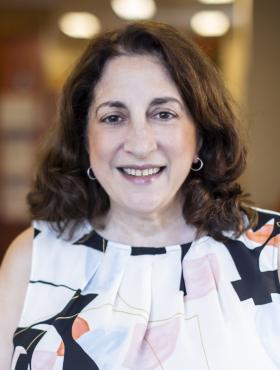
If you are in your menopause era, you’ll want to listen to the latest episode of The Healthiest You podcast, where we talk about how to navigate each stage of menopause with OB-GYN and Menopause Society Certified Practitioner Susan Haas, MD, PhD, with Lehigh Valley Health Network (LVHN), part of Jefferson Health.
What can you do about meno belly? How can you get better sleep? What can you do about hair shedding or hair loss? Which diet and exercises are best for menopausal women? Does menopause ever end? We answer these questions and more on The Healthiest You podcast this month.
Or download it from one of the platforms below.
Check the “Healthy You” box to get the latest podcast episodes, news, health tips and stories in your inbox weekly.
The Healthiest You podcast is hosted by Amanda Newman with LVHN. In each episode, she interviews clinicians and experts across LVHN to learn practical health tips for everyday life – to empower you to be the healthiest you. While you’re balancing all the responsibilities – work, mom life (kids, dogs, cats and chickens included), family, friends and the never-ending to-do list – you deserve to take a moment of time to focus on your health.
The Healthiest You is available on the podcast apps below. Just search “The Healthiest You” and hit subscribe, so you never miss an episode.
Amanda Newman (00:00):
Welcome back to The Healthiest You podcast. Here's part two of our latest episode.
(00:04):
Every part of menopause can feel like you're riding a hormonal rollercoaster, but there are some positives, like no longer having a period. Could you share the bright side to menopause and postmenopause? How can women feel empowered to embrace this new phase of their life?
Susan Haas, MD, PhD (00:24):
I love that question. I really do. It is very true that one of the best things about menopause is not having to deal with your periods anymore, although it's an aside from our topic today. But if you're having problems with your period, even if menopause is not coming, there are lots of things to do about it, so please see your doctor about that. But as we get into menopause, this is a busy time. It's often ... midlife is a busy time for much of what's going on in our lives, right? We're having all these physical changes and hormonal changes. We're having changes in our family structure. ... If you have children, if your children become adults. We all have parents, as our parents age. Many of us, if we are at work, we are having changes where we're at the height of our careers and things are really busy. If we work from home or if we're stay-at-home moms. We have a lot of changes in what our responsibilities are. It's a huge time of change. And embracing change and allowing different to be OK. And allowing that if everything is not OK, that we have time and we give ourselves grace to work through that is so important.
Amanda Newman (01:49):
I love that – embracing the change – but also giving yourself grace to work through all of these changes. Because there's a lot happening in midlife.
Susan Haas, MD, PhD (01:57):
There absolutely is. And if we can treat symptoms of menopause so that you feel better, that's going to help take that off your plate. And whatever we can do to protect your health overall is going to help keep you healthier longer as you age. Because this aging thing, it's not easy. But we have so many beneficial things we can do hormonally and otherwise to keep us healthy for a long time. It's an important thing to talk to your OB-GYN about, to talk to your primary care physician about. All of the things that we can do to keep ourselves healthy.
Amanda Newman (02:43):
And as all of these changes are happening, something we don't want to forget about is health screenings that we need to continue doing. So which health screenings do women need before, during and after menopause?
Susan Haas, MD, PhD (02:57):
That's a very good question. And from the standpoint of OB-GYN specifically, we focus a lot on cancer screening. We focus a lot on bone health. We focus a lot on reproductive issues. So things like cervical cancer screening every three to five years throughout your lifetime, at least up until the age of 65 – after which time some women are able to discontinue screening, assuming that they've been appropriately screened and that they haven't had any serious problems in the past. Breast cancer screening for average-risk women starts at 40, and mammograms are generally every year thereafter, certainly every one to two years at least. And then colon cancer screening is important and actually ... really the age of that has moved up recently. We used to start colon cancer screening at 50 and now we start at 45. And that's because we are seeing more and more colon cancer in younger patients.
(03:58):
And there's a variety of options for colon cancer screening. The most commonly discussed is colonoscopy, but there's other types of stool testing and other things to do. But these are not the only health screenings that a patient needs. There are a lot of other general health screenings in terms of mostly labs checking for things like blood sugar, lipids, looking for anemia, checking your thyroid. And these are all things that the majority of my patients have taken care of by their primary care physicians. So it's really important. I find that many of my patients entering menopause have not really seen their primary care physician very much. Many of them might go once in a while if they are feeling ill, but are not going for health care screenings like they should. And I think that midlife is a time when it's really important to either establish or strengthen care with a primary care physician if you haven't done that previously, because it's a really important time for making sure that you're getting all the health care screening you need.
Amanda Newman (05:11):
Another issue a lot of women are dealing with is sleep. So specifically sleep disruptions like insomnia or frequently waking up because of the hormone fluctuations that are going on in menopause. So how can you sleep through the night? And if you do wake up in the middle of the night, do you have any tips for falling back asleep quickly?
Susan Haas, MD, PhD (05:31):
Oh, that's a tough one. There are a variety of problems that happen with sleep around the time of menopause. So the easiest one for me is the women who are woken up by night sweats, and that happens a lot. I have patients who are woken up several times a night. Waking up sweaty, throw the covers off, then you get cold, try to put the covers back on, then you're hot.
(06:00):
Then you're already up and now you realize you have to pee. You get out of the bedroom, you get out of the bed, you go pee. And now by the time you get back, now you're starting to think about the day because everything is so crazy, and then you can't go back to sleep. So this is like a story I hear over and over again. And so breaking that cycle is important. And for many women around the time of menopause, that cycle starts with those what we call vasomotor symptoms. That's the medical term for hot flashes and night sweats. And I find that for many patients, treating that really helps and that does enough to get them a better night's sleep. But it's certainly not the entire story for all women. There are a lot of other sleep disorders that are more common around the time of menopause.
(06:47):
So sleep apnea is increased around the time of menopause. Restless leg syndrome is increased around the time of menopause. I end up sending a lot of my menopausal patients to our sleep center, especially if ... either if they're not a candidate for hormone therapy or if they've tried some kind of hormonal or a non-hormonal medication and it hasn't been sufficiently effective for them. Sometimes certain hormonal and non-hormonal medicines have the additional benefit of having a little bit of sedation, making people a little sleepy. So for hormonal medications, natural progesterone – if that's part of your hormone therapy – sometimes makes women a little sleepy. So when we prescribe that, we usually prescribe it in the evening for that reason. Gabapentin, one of the non-hormonal medications that we sometimes use, also has a side effect of sometimes making people sleepy. So that again, oftentimes one that I use at night. But getting to the question of what to do if you wake up, that's a hard one. The sleep doctors that I talk with tell me that probably a bad thing to do is to lay in bed on your phone.
Amanda Newman (08:05):
Yeah, that could be the worst thing.
Susan Haas, MD, PhD (08:07):
Yes. Not only because it keeps you up, but because the light from your phone causes changes in your brain that make your brain think it's morning. And so generally what's recommended is that if you're not falling back to sleep in a reasonable amount of time – I don't know exactly what that is, maybe 20 minutes or so – to actually get out of bed and go do something and go back to bed when you feel sleepy. But I mean the best would be for people not to be getting up at all, so.
Amanda Newman (08:34):
Yeah, that's the goal.
Susan Haas, MD, PhD (08:35):
Yeah, that's why it's so great to have our sleep colleagues involved.
Amanda Newman (08:38):
Yeah. Because that lack of sleep can really lead to higher stress levels and worsen other symptoms like irritability, anxiety or mood swings, what are some ways to find emotional balance during this time?
Susan Haas, MD, PhD (08:53):
I do think that the lack of sleep causes a lot of those mood problems. And I don't know if we were going to talk about it later, but I think also causes a lot of concentration problems. So whatever we can do to get sleep better is really going to help. My patients who've had children, I try to make the analogy and say, do you remember when you had a baby and you were getting up every two hours to feed the baby and you could never get a night's sleep? I bet you were moody then too. And I bet you had brain fog then too. And your brain probably you were cranky and your brain wasn't working right and you couldn't remember things. And they're like, yeah. And I said, and then you were like 30 and now you're 50. So that you have that on top of it all. Which I hate to bring up age, but I mean I'm older than that.
(09:49):
So whatever we can do. I really think that treating hot flashes and night sweats oftentimes improves sleep, and improving sleep often improves a lot of the other symptoms. But certainly treatment of menopause is complicated and can at times require really a multidisciplinary approach. And what that means is getting different specialists for different components of what's going on because there's a lot of things going on. So if treating with hormones isn't helping your moods enough, maybe you also need medication for your moods. Or maybe you need to talk to someone about your moods. If the hormone therapy isn't helping your concentration enough, maybe you need to get that evaluated by somebody who can check and make sure. Because for most women – I know we haven't gotten to this yet but maybe we're going to talk about it later – the brain fog that people talk about around the time of menopause is a transitory thing that will improve over time, either with hormone therapy or with the transition through this menopausal time.
(11:05):
And so many patients come to me worried that they're seeing the first signs of dementia in themselves because they're having trouble concentrating when some of it is lack of sleep and some of it is maybe hormonal directly, it's hard to say. And some of it may be the normal changes that we see with aging, and it's so hard to differentiate. So the way we do that, whether it's with mood or whether it's with concentration, is that if it's safe for a woman to try hormone therapy, we'll try it and see what benefit it gets her. Because for many women it makes a big difference. And for those where it doesn't, then at least they know that that's not the problem and they move on to something else.
Amanda Newman (11:48):
Something that's not often talked about are the sexual health changes women experience throughout menopause. What are the most common problems and what can be done to address them?
Susan Haas, MD, PhD (11:58):
This is such an important topic. Sexual health is really, I think, overlooked especially more for women than for men. There are all kinds of advertisements on TV, right, for medications that men can take, but way less attention paid to the fact that their partners may be having problems as well. ... You know, a normal part – and I say normal, I don't mean that we shouldn't treat it – but common is a better word. A common part of what we see in menopause and sexual health is really an important part of our well-being and our relationships. So it's really important to treat it. Vaginal dryness is a common symptom that women have around the time of menopause. And sometimes it happens in perimenopause or right around the time that periods stop. But this is also one that's really sneaky in that it often happens years later because the changes that happen in the vagina from lack of estrogen persist and worsen over time.
(13:13):
So I have seen patients come in in their 60s or even in their 70s with maybe vaginal pain with intercourse or dryness, and I tell them that the problem is menopause. And I get a reaction like, honey, that couldn't be it. I did that years ago. I'm over that. But it's not really something you're over. First, that is something we should probably talk about is that there's not a time to be over menopause, but menopause sort of becomes your new normal – that postmenopause, I guess we say. You know, you're going to have a state that your body is in the rest of your life where your ovaries are no longer producing hormones and in what way is that going to affect the rest of your body? So in a variety of ways, but one of them is with the vaginal dryness. So some patients come in complaining of vaginal dryness or pain with intercourse, and there are many ways that we can treat this.
(14:17):
Some patients simply need some type of over-the-counter lubricant product. And water-based and silicone-based lubricants tend to be the ones that are the most effective. There are a variety of products out there on the market that can be used, and some of it is personal preference as well. For some patients, that's not enough. So there are other treatments, one of which is local estrogen, local low-dose estrogen in the vaginal tissues that can help make the vaginal tissues healthy and more like they were before menopause. We also have a hormonal medication called DHEA, which can be given as a nightly vaginal suppository, and this can help as well. Although, vaginal estrogen is the mainstay of hormonal treatment for vaginal dryness after menopause. And it is because it's so very safe because most of it is local and ... it's minimal systemic absorption, so minimal risk.
(15:24):
So even though that is the mainstay of treatment, there are a lot of other options. For some women, if they are taking systemic hormones, if they are taking estrogen and progesterone as a pill or a patch that gets into their bloodstream, they may not need vaginal estrogen. At least half of women taking that have enough effect on the vaginal tissues that they don't need the vaginal estrogen addition. Some still do. There is also a nightly vaginal suppository of DHEA, which is a prescription hormonal medication that will also hormonally treat vaginal dryness due to menopause. And then there is a prescription oral medication that we sometimes give called ospemifene. Ospemifene is a SERM. ... That stands for selective estrogen receptor modulator, I believe. It's basically what people used to call them, designer estrogens. These are drugs that in some parts of your body work like estrogen and in other parts of your body work against estrogen.
(16:43):
And so ospemifene works like estrogen in the vaginal tissues but doesn't work like estrogen in certain other parts of your body like the uterine lining. So this is a pill that I can give you that's going to treat vaginal dryness but is not going to stimulate the uterine lining to become abnormal the way that estrogen does. So there are, and that's appropriate for some patients. Again, everything has risks and side effects. So there are a lot of treatments for the vaginal dryness and for the pain that comes along with that. But medications and hormones are not the only treatment. Some women experience vaginal tenderness or discomfort due to. I guess the best way to describe this is a lack of elasticity in the vaginal tissues. If you think of it like the vaginal lining becomes less stretchy, less flexible with age and with lack of estrogen.
(17:48):
And we actually have specialized physical therapists that work with patients, do things like internal exams to evaluate the muscles of the pelvic floor, help with exercises and treatments to alleviate muscle spasms in the pelvic floor to help regain the flexibility in those tissues that were there before menopause. So they can sometimes help quite a lot with sexual pain as well. So those are a couple of different things we can do for pain. But the other complaint I get from patients quite a lot is a lack of sexual desire. The scientific term for this is hypoactive sexual desire disorder [HSDD]. This is a medical condition where a woman or patient is having less desire for sex and it's causing them distress. And there are a variety of treatments for this, but one of the treatments is hormone therapy, and this is one of the few places in hormone therapy where we often find testosterone plays a role.
(19:06):
There's a lot of talk about the role of testosterone in treatment of menopausal women at this time. There's a lot about it on social media. Patients are talking about it, they're hearing stuff about it, and more and more doctors are prescribing it. And the one place that testosterone has definitely been shown scientifically to have a benefit is with increasing sexual desire and treatment of HSDD. There are a lot of other claims that are made for testosterone, and I think the jury is out a little bit. We don't have scientific evidence that it helps with other things like muscle mass energy, things like that. Although research is ongoing and perhaps we'll have more data in the future. We do have to be really careful with using testosterone in women because it's definitely one of those places where a little bit might help. But too much can be a bad thing because high doses of testosterone and excessive levels can lead to negative side effects like masculinizing side effects like increased facial hair, frontal balding, deepening of the voice. And these can be sometimes permanent side effects that can't be reversed.
(20:38):
So this is a area where we're very cautious. There's also no FDA-approved testosterone products for women in the United States. In some countries there are. There's an FDA-approved testosterone product for women in Australia, for example. Or I guess it's not the FDA, whatever the Australian equivalent is, and a government body regulatory approved. And so what we end up doing in most cases is using products that were designed for men but that are given at maybe one-tenth of the amount that we would give men. And then we monitor ... with blood tests to make sure we're not giving too much. And some patients find this very effective. But again, we have to go over the risks, and patients need to decide individually whether that's a risk that they want to take on.
Amanda Newman (21:30):
Something else women may deal with is hair shedding. Maybe you're having to clean out your hairbrush more often, or when you pull your hair back, you're noticing some hair loss. What can you do about hair thinning or hair loss?
Susan Haas, MD, PhD (21:44):
I think one of the hardest things about hair loss is that we all lose some hair as we get older. And figuring out how much is the normal amount versus how much is something pathologic, you know, that there's something dangerous we need to treat that's going to progress to serious balding. And then even if it is the normal hair loss that happens with aging, is there something that we can do to slow it to help preserve the hair that we have as long as we can, because most of my patients are looking for that. So the first thing is to do some blood work to look for common causes of hair loss. And that might be things like iron deficiency or hypothyroidism and underactive thyroid. I usually check testosterone and other androgens, testosterone-like hormone levels in patients because if those are elevated, sometimes that can cause hair loss. And then if all of those are normal, menopausal hormone therapy is something that we can try. But it's not really scientifically proven to slow or stop hair loss. So I think patients with concerns about hair loss also need to look into that with a specialist. And the people who specialize in hair loss typically are dermatologists. Both our hair and our nails grow from our skin, and so the doctors who take care of our skin are also specialists in hair and nails.
Amanda Newman (23:28):
And that's why it's so important to have a care team of specialists because there's so many different things that you're going through in menopause.
Susan Haas, MD, PhD (23:36):
Yes, it really is quite a lot. It can be overwhelming. And I sometimes find patients come in to see me overwhelmed by all of what they're going through. And in some cases their symptoms have been kind of blown off by other physicians and they are really frustrated. And I can't always help all of their symptoms. But frequently, whether it's with hormones or other treatments, I can help some of their symptoms. And I think what that does is it helps us to start unraveling that ball, that big knot of problems. It's like, I don't know if you knit or crochet or anything like that.
Amanda Newman (24:26):
I aspire to.
Susan Haas, MD, PhD (24:29):
The ball of yarn that just gets tied up into one giant tangle, or the garden hose does the same thing or your cellphone charger back when we used to have the old-style phones that had the curly cords.
(24:41):
And it all just gets knotted up. Or if your necklace gets knotted up.
Amanda Newman (24:44):
Oh, that's the worst.
Susan Haas, MD, PhD (24:45):
Yeah. Like, the way that you undo that is one bit at a time.
(24:52):
And so as we start to work on these problems. Sometimes, one thing like hormones makes everything better and that's amazing. I'm so happy when those patients feel so much better. But other times I can help with this symptom or that symptom, but it's not everything. But it's the beginning of unraveling that ball and then sending them to their, helping them develop a multidisciplinary team of other people. The cardiologist to look at their cardiovascular health, the sleep doctor, the dermatologist, the pelvic floor physical therapist. Building that team that's going to help them stay healthy, active and well for the longest amount of time in menopause. If I can help them do that and get them on that journey, I feel like I've done something.
Amanda Newman (25:44):
That's a beautiful answer. I love the whole analogy with the ball of yarn, just unraveling it little by little, step by step.
Susan Haas, MD, PhD (25:53):
And that's a common scenario. Sometimes we get lucky and we do one thing. One intervention, it fixes everything. But other times it takes several steps. But you've got to start somewhere.
Amanda Newman (26:06):
Many of the symptoms that began during perimenopause may continue into menopause. But are there any new symptoms that women may experience once they've hit menopause? How exactly do you know when you're in menopause?
Susan Haas, MD, PhD (26:20):
I sometimes give presentations about menopause and I decided I need to make a slide that says the menopause glossary, like here are the terms and here is what they mean. So menopause is when your period stops. But you don't know any period you have as you're going through this process, you don't know if that's the last period you're going to have because you don't know what's going to happen next. So you don't know that that was menopause until a year later because the definition how we diagnose menopause is that you haven't had a period for 12 months. So 12 months later, I haven't gotten another period. Oh, last year I went into menopause. ... So by this point, perimenopause is the time from normal cycles and through when you start to have symptoms, when you start to have irregular cycles until the periods stop. If there is a definition of menopause, it is that moment that that last period ends – that you don't know is menopause until you retrospectively a year later realize, yeah, that was it. And then postmenopause is the rest of your life. And the symptoms that women get tend to happen in the years preceding that last period. And many of the symptoms happen in those first few years after the last period.
(27:44):
The hot flashes and night sweats often start while you're still having cycles. Often during the time when the cycles are irregular. It's common to have hot flashes and night sweats that might come and go, and then they might initially get worse after the periods stop and then gradually get better later on. The range of how long that takes is extremely, extremely wide. The average woman going through menopause in the United States experiences hot flashes for about seven years, which sounds like a really long time. But it goes away, right? But also the range is really wide from never having a hot flash at all to having hot flashes the rest of your life. So this is why we need to treat every woman individually because different women have very different symptoms, and we don't entirely understand why that is. I sometimes have patients come in and ask me to check their hormone levels. And I will tell you once a woman is menopausal, her hormone, everybody's hormone levels are the same, they're all low.
(28:59):
And what I don't know is why one woman has severe symptoms with those low hormone levels, another woman is perfectly fine. That's something that we don't entirely understand; we don't really understand at all. It's an active area of research. Maybe there's genetic differences amongst people we don't really know. But that's one reason why hormone levels are not terribly helpful in most evaluation of menopause. And then as far as the perimenopausal women, the ones that are still having some symptoms, their levels are all over the place. They have levels that are sometimes very low and also sometimes very high, and they can fluctuate widely from day to day, week to week, month to month. So if I check today and tomorrow and next week and the week after, every time it's going to be different. And so hormone levels are not terribly helpful for them either, which is frustrating because patients want an answer and then they want to have a number they can target. And if they take a medication that's going to make my number be this target, I'm going to feel better. And it just unfortunately doesn't work that way.
Amanda Newman (30:07):
Another frustration for many women is meno belly. What are some ways to lose that stubborn weight that appears in the midsection?
Susan Haas, MD, PhD (30:17):
Oh my God, as soon as I find the answer I promise you'll be the second person to know. That is what I tell my patients. Yes, menopausal weight gain is for sure the most difficult thing that I treat, symptom that I treat because I have very few good answers. We definitely see weight gain as we age. We see that in both men and women, but we definitely see an acceleration of it in women around the time of menopause. And we also definitely see a redistribution of weight where they're getting weight in all the wrong places. In medicine, we call that central adiposity or visceral fat, meaning fatty tissue around your middle. You're becoming an apple where you used to be a pair. And it's not healthy. It leads to metabolic problems and high blood pressure and high blood sugar and high cholesterol. It also leads to not being able to fit in your clothes because we don't really. You know, maybe we need new clothing designers. We need to be more body positive for different body shapes.
(31:29):
So while patients are going through this, they don't feel like that they don't have options. This definitely happens. I really do my best to validate my patient's experience, but also to tell them that there's no evidence that hormone therapy or any of these menopausal treatments help with weight loss. So, resistance exercise is very important. Not only does resistance exercise help keep your bones strong and help keep your muscles strong, but it can help with weight loss overall, as well as can cardio. I have a fair number of patients that I refer to our weight loss center.
(32:16):
There was one research study recently that came out looking at women on the new injectable weight-loss drugs, the GLP drugs, and looking at women on GLP drugs, or women taking hormone therapy and GLP drugs, and did show a little bit more weight loss in the women that were on the GLP drugs. And there was also a recent, believe it or not, I didn't even see it in the journals. I saw it in The New York Times, but recent articles that came out looking at those medications and showing that they are more effective in women than in men. That women have a higher percentage of weight loss than men do, taking the same medications. I don't know if that's panned out in all studies. I really haven't taken a deep dive into it. And I know some of my colleagues who prescribe weight-loss medicines have told me the opposite. I'm not sure if that's really true, but it's definitely an active area of research. But for patients who are healthy and a normal body weight but just not where they would like to be, I would recommend those first things. And for women who are heavier than they should be ... than is healthy for them, I would recommend seeing a weight-loss specialist in addition to doing the rest of this. So it gets back again to that multidisciplinary team helping you as you age.
Amanda Newman (33:35):
You briefly touched on some of the exercises that are important for women who are going through menopause, like strength training, resistance training, things like that. What else would you recommend?
Susan Haas, MD, PhD (33:46):
The other thing that we can work on with exercise is balance. Balance is really important, especially when it comes to bone loss and risk of fracture, right? If you have bone loss, you're still not going to have a fracture unless you fall. So exercises that help with balance help to prevent falls and help us to stay healthier longer. So that would be things like tai chi, yoga and other balance-related exercises. And for people who have specific problems with balance, there are physical therapists that work with patients with balance issues as well.
Amanda Newman (34:27):
And since exercise and nutrition really go hand in hand, what type of diet do you recommend to menopausal women?
Susan Haas, MD, PhD (34:37):
I think we're learning more and more that we have too many processed foods in our diet and probably too many carbohydrates in our diet. So I think we want to cut down on processed foods and carbohydrates. Getting enough protein is important, helps us to maintain our muscle mass. A fiber is really important. I recommend to patients to get 25 grams of fiber a day if they can. That's a lot of fiber. But it helps to keep not only our gastrointestinal system healthy from the standpoint of moving our bowels, but also helps with lipids, helps with colon cancer risk, lots of things. Those are the main things. And then as far as – a lot of patients ask about dietary supplements at this point – and I do recommend calcium and vitamin D, especially vitamin D in terms of helping to maintain bone mass. Other than that, I don't think there's a lot of utility in some of the other dietary supplements that are marketed to women.
(35:45):
I think this is an area where there's a ton of information online about supplements and in health food stores about supplements. And those products are not in any way regulated by the FDA, and so they're not tested to see if they're effective or really even to see if they're safe. They're marketed through what I would consider a loophole in the regulations where as long as they don't make a specific health claim – unless they've been shown to be harmful – they can market whatever they want and nobody's even testing them to see if what's in the bottle is in fact what it says. So if you go to get your, I don't know, your yam supplement or your black cohosh or these other things that people try for menopausal symptoms, nobody's checking to see if there's yam or black cohosh or anything even in the tablets or capsules that you're getting. It could just be starch or rice powder or whatever. And no one's checking. There are some supplements that voluntarily submit to testing. There's an organization called USP. It stands for United States Pharmacopeia, and you'll see a seal on there. And what that is is the company has given their product to this company, to this organization, and they've tested it. And they're not certifying that it's effective or anything; they're just saying what it says on the label is actually what's in the bottle. So that's a start,
(37:29):
But it's kind of a lot of unknowns in that situation. And I completely understand that patients want to be healthy and natural and avoid medications if they can, and not everybody needs medication. So that's totally fine. But I think we need to be really cautious when unproven products are marketed as natural and then that is then meant to imply, without saying it, that it must be safe,
Amanda Newman (38:05):
So that drop in estrogen may also lead to dry, itchy skin. What are the best ways to soothe irritated skin?
Susan Haas, MD, PhD (38:13):
I don't think it's clear that it's actually the drop in estrogen that's causing it to happen. So for women who are candidates to take hormone therapy – meaning they don't have those health risks of breast cancer risk, heart disease risk, that type of thing, blood-clotting risk – it is something that we can try, but it's not really one of the mainstays of treatment. If patients continue to have problems and skin creams and that sort of thing are not sufficient, usually I send them to see a dermatologist. There is some talk online about using vaginal estrogen cream on the skin, and there are even some dermatologists proposing this, although it's not mainstream. And there are a lot of us who take care of menopausal women that are concerned. Remember, we give transdermal estrogen to get absorbed into people's bodies. And we're concerned that depending upon the amount that's used, perhaps patients who are not good candidates for taking estrogen could be getting way too much. So I worry that we don't have much evidence that that's effective and it might potentially have more risk. So I would stay away from that.
Amanda Newman (39:36):
Some studies show that caffeine may worsen symptoms like hot flashes, but may improve your mood and concentration. So should you cut back on the caffeine or keep enjoying that morning latte?
Susan Haas, MD, PhD (39:49):
As a girl who always has that morning latte or two or three, I have no problems with my patients continuing to use caffeine. In some cases it may worsen hot flashes, but for many patients it doesn't. And if it does, there are lots of things that we can do to treat hot flashes. So I think that's a personal decision, really. It depends how important it is to you, whether it's from an enjoyment standpoint or whether it's from an energy standpoint. Because fatigue and low energy are also something that menopausal women complain a lot about.
Amanda Newman (40:25):
So how does menopause affect your joints and muscles, and what do you recommend for some relief?
Susan Haas, MD, PhD (40:31):
So when you say some relief, I guess you're referring to discomfort or pain in your joints and muscles, and that is certainly one problem that a lot of women have. Also, as far as how menopause affects your muscles, we know that we lose muscle mass over time the same as we lose bone mass over time. So enough protein in your diet and strength training are things that you can do to help with the muscle mass loss. But as far as the discomfort, it's really hard to say because there are so many causes of joint pain. As we age, we develop all different types of musculoskeletal problems. We get arthritis, we get back problems and neurologic problems associated with that that cause pain. But there is emerging evidence that joint and muscle pain may in some way be related to menopause. There is this new condition that's starting to be talked about – it's not really mainstream yet – but there are some doctors talking about called musculoskeletal syndrome of menopause.
(41:49):
This is the term that some people are using to describe the increase in joint pain. And I do think it makes some scientific sense in that there are medications that we use to treat breast cancer that make estrogen levels drop extremely low, like lower than menopause. And those same medicines, one of the main side effects is joint muscle aches. So although it's not really proven that low estrogen contributes, I do think that for women who are having those symptoms, that the option to try hormonal therapy and see if it helps is a very reasonable thing to try – as long as their patients are appropriate candidates in terms of the rest of their health risks.
Amanda Newman (42:47):
Could you also talk about what exactly frozen shoulder is, and why are menopausal women at risk for it?
Susan Haas, MD, PhD (42:55):
We know frozen shoulder is a condition where you develop scar tissue around the shoulder joint and it can cause shoulder pain and limited range of motion in the shoulder area. We know that it is more common in women than men, and we know that there is an increase in the frequency or the prevalence of that condition around the time of menopause. But what we really don't know is why and whether any kind of hormonal treatment will either minimize the risk or help treat the problem. There's no evidence of that. But we know that it happens more commonly at this age.
Amanda Newman (43:38):
Now, some other common symptoms that may be surprising are dry mouth and burning mouth syndrome. So those may show up throughout menopause. What do you recommend for patients who may be experiencing those things?
Susan Haas, MD, PhD (43:54):
Burning mouth syndrome, like frozen shoulder, it's another one of these things that is more common in women than men and happens around the time of menopause. But we don't know for sure. We don't have any, we don't really understand why or whether it's related to the hormonal changes or whether it's related to something else that's happening in women around the time of menopause. So, like frozen shoulder, I think trying hormone therapy is an option. But also talking to your dentist or oral surgeon or ENT to make sure that there's not anything else going on is equally important. There's a condition called Sjogren's syndrome, which is an autoimmune condition that causes dry mouth and dry eyes. And autoimmune conditions are also more common in women than men and also are more common in this age group. So I think it's hard. So many things are happening at this stage in life. And one of the things that's happening is our ovaries aren't working properly anymore, and fixing that definitely helps with some of it. But maybe there's other conditions that just happen to be happening at the same time, but not hormonally related.
(45:21):
And sorting that out is an active area of research, and that's why I'm so excited that there are so many more doctors involved in looking at this. There are so many doctors involved in treating this.
(45:33):
The Menopause Society meeting is every fall and it sold out last year. The hotel sold out. So many people are interested. I'm really hopeful that there's going to be more and more help for patients in the future so that we can answer these complicated questions that we still don't have good answers to.
Amanda Newman (45:48):
So there is hope.
Susan Haas, MD, PhD (45:49):
Absolutely. And there's other things to do. And certainly trying this, for the vast majority of healthy women in their 50s around the time of menopause, the vast majority of them are candidates for menopausal hormone therapy and at low risk. Now, not everybody. Definitely you need to look at your individual situation, talk to your individual doctor about your particular health situation. But it's not something that you should be afraid of if you're a good candidate, and it's something that you can try for a few months and see if it helps your symptoms. And if it does, then you know that was part of the problem. And I found many patients feel better in a variety of ways beyond just the hot flashes and night sweats and vaginal dryness that we know it's supposed to help. And if it doesn't, and at least you know tried that and you rolled that out before you move on to something else.
Amanda Newman (46:43):
At least give it a try and see if it can help. Because if it can, I mean, it can drastically improve how you're feeling day to day, and that's ideally what we want.
Susan Haas, MD, PhD (46:51):
Absolutely. It's a quality-of-life issue.
Amanda Newman (46:54):
Migraines are another issue many women face during this time of their life. What are some helpful treatment options to get relief?
Susan Haas, MD, PhD (47:02):
I think when migraines probably happen the most is around perimenopause because we know that hormonal fluctuations, especially drops, changes in your level of estrogen, can cause headaches. There's a well-known, well-studied condition called menstrual migraine where when your hormone levels drop low right before you get your period, it triggers a headache. And so I think this is another variation of that. So certainly neurologists specialize in headaches. Anyone who's having headaches on a regular basis should be talking to a neurologist about that or to their primary care physician, if their primary care physician feels comfortable treating it and they feel comfortable treating it. In some patients, whatever we can do to keep those hormone levels constant, not too hot as opposed to fluctuating more so than the actual level, can sometimes help with avoiding triggering headaches. So whether that's hormone therapy or in cycling women, birth control pills, but usually at a low dose because too much can cause headaches. There's a lot of different approaches. It needs to be individualized.
Amanda Newman (48:17):
So the biggest question is does menopause ever end, or do you just live with most of these symptoms that we've talked about today for the rest of your life?
Susan Haas, MD, PhD (48:27):
Well, although menopause doesn't end, the symptoms of menopause for many women end. So if we talk about the definition of menopause, menopause is when your period stops, the end of your last period. But when you have that last period, you don't know it's your last period. You don't know it's your last period because our definition of the person that's not going to get another period is when she went 12 months without a period. So 12 months later when you haven't had another period, then you know that was when you went through menopause. So at that point you're postmenopausal. Menopausal symptoms start in the years preceding menopause. During that perimenopause time, especially when cycles are irregular, and can continue after the last period. The most classic symptom of menopause is hot flashes. And research shows us that the average amount of time that a woman has hot flashes is about seven years. Which sounds like a long time.
Amanda Newman (49:35):
It does. Yeah.
Susan Haas, MD, PhD (49:36):
That's without treatment.
(49:40):
And if we look at the range, there's a really wide range from some women don't have symptoms at all to some women have mild symptoms that last a short period of time to those women that maybe have moderate symptoms that last for five to 10 years to women who continue to have symptoms the rest of their lives. But the important thing is that we have a lot of treatment options, both hormonal and non-hormonal, to help with many of these symptoms. So the symptoms may improve on their own, and if they don't improve on their own, we have lots of treatment to help. But once you're menopausal, you're always menopausal. So hopefully we can just make you an asymptomatic menopausal woman. That's the goal.
Amanda Newman (50:27):
Well, to wrap up today's episode, where can women learn more about menopause?
Susan Haas, MD, PhD (50:33):
That's such a good question because so many patients are looking. There are books and podcasts and all kinds of blogs from really well-known menopause specialists. But there are – and I hate to name anybody individually right now here – but there are also books and blogs and podcasts from people who are not knowledgeable or who are misleading patients and trying to get in on this multi-billion-dollar-a-year industry of supplements and all kinds of things and unproven hormonal therapies. So I think looking at the source of information is important. The American College of OB-GYN website is a great place to go. There's a lot of good information there. The Menopause Society website is a great place to go for information, and it's super easy. It's menopause.org.
(51:40):
And as far as who to trust, I would say if you go on The Menopause Society website and look under there, find a health care practitioner or find a provider section, they're going to list clinicians, physicians and other clinicians all over the United States, and actually all over the world, who are menopause-certified clinicians. And basically what this means is these are clinicians who have taken an exam and continue to do continuing medical education every year about menopause. And so you know that at least you're getting information from someone who is knowledgeable and hopefully providing evidence-based information.
Amanda Newman (52:36):
Those are some great resources. Thank you so much for sharing those. And just truly, Dr. Haas, today has been wonderful, and we just appreciate you joining us today and sharing so much great information with our listeners.
Susan Haas, MD, PhD (52:48):
Oh, thank you so much for having me. I love having the opportunity to share information with your listeners and with the community. I think it's such an important thing.
Amanda Newman (52:58):
To learn more health tips, visit LVHN.org/healthyyou. Remember to leave us a review and subscribe or follow The Healthiest You wherever you get your podcasts so you never miss an episode. And remember, be safe, be smart and be the healthiest you.
