Image



Symptoms to be aware of, placenta encapsulation, finding support and more on The Healthiest You podcast: Episode 45
Life after welcoming a baby into the world looks different – it’s messy, beautiful and exhausting. As you nurture the newest addition to your family, remember yourself too. Hormones shift significantly after giving birth, which can leave you feeling sad, anxious or overwhelmed.
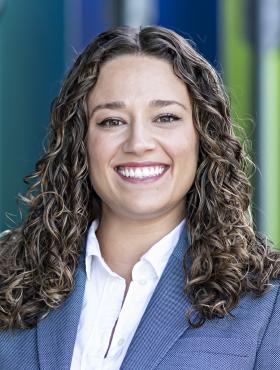
If you’re looking for support in postpartum, you’ll want to listen to the latest episode of The Healthiest You podcast about postpartum depression. In Part Two of our podcast series, you’ll hear from psychiatrist Samantha Cerimele, MD, with Lehigh Valley Health Network (LVHN), part of Jefferson Health.
Is it “baby blues” or postpartum depression? What increases your risk for postpartum depression? Should you try placenta encapsulation? What treatment options are available for postpartum depression? How can the WAVES (Women Adjusting to Various Emotional States) program help? We answer these questions and more on The Healthiest You podcast this month.

Or download it from one of the platforms below.
Check the “Healthy You” box to get the latest podcast episodes, news, health tips and stories in your inbox weekly.
The Healthiest You podcast is hosted by Amanda Newman with LVHN. In each episode, she interviews clinicians and experts across LVHN to learn practical health tips for everyday life – to empower you to be the healthiest you. While you’re balancing all the responsibilities – work, mom life (kids, dogs, cats and chickens included), family, friends and the never-ending to-do list – you deserve to take a moment of time to focus on your health.
The Healthiest You is available on the podcast apps below. Just search “The Healthiest You” and hit subscribe, so you never miss an episode.
Amanda Newman (00:00):
Welcome back to The Healthiest You podcast. In Part Two of our podcast series on mental health, we're talking about postpartum depression with psychiatrist Dr. Cerimele.
Amanda Newman (00:11):
With all the changes that postpartum brings, it's normal for moms to feel a range of emotions. But how do you know if you're experiencing the baby blues or symptoms of postpartum depression?
Samantha Cerimele, MD (00:22):
So this is really, really important to tease out. Women go through such a change in hormones after they give birth – really lots of hormones in their body dropping down very, very quickly in a very short amount of time. So the baby blues, as we call them, it can be kind of a more normal range of emotions, moodiness, crying more, feeling a bit more irritable, sometimes feeling a bit sad at times. And that typically lasts about two weeks after delivery. Now these typically go away on their own, and they don't really go to the more severe symptoms of really persistent depression – kind of the things we talked about last episode with major depressive disorder where you're feeling like you lose interest in life, you really have no interest in bonding with baby, and it really becomes very hard to take care of yourself or the baby. That's kind of the line we cross after baby blues going into postpartum depression. The other thing is timeline. So if those symptoms that you're having last more than two weeks and they're really impacting your life, we're starting to think much more about postpartum depression.
Amanda Newman (01:27):
Now, is there anything that increases your risk of postpartum depression, and is there anything you can do to prevent it?
Samantha Cerimele, MD (01:34):
Yes, there's quite a few things that can increase your risk of postpartum depression. The most important thing is your own personal history of depression. That doesn't have to be postpartum, just any point in your life. A family history of depression or postpartum depression can also affect your risk. Substance use and social support are other really big factors. So people with kind of less social support, less ... help at home are more predisposed to having the postpartum depression. And other things that affect regular major depression as well, like financial strain, other trauma, other stress, can certainly make someone more likely to develop postpartum depression.
Amanda Newman (02:15):
Is there anything that you can do that prevents it?
Samantha Cerimele, MD (02:18):
Yeah, so there are quite a few things you can do. Interventions you can make – and one of them really starts during pregnancy, before you even hit the postpartum period. So making sure that you're attuned to changes in your mood, talking to your clinician, talking to your support system. If you're feeling down low, kind of sad, like depression is brewing, or even irritability or anxiety, any kind of changes that aren't normal for you and are distressing and are causing you not to function as well in your day-to-day should definitely get brought up. The earlier we kind of start on any kind of treatment, it's a better outcome for our patients. So things you can do once you talk to your clinician are engaging in psychotherapy, like talk therapy. We could talk more about that. And there's also a variety of medications that have been shown to be safe and effective in pregnancy as well.
Amanda Newman (03:09):
Some moms may consider placenta encapsulation, which this is something I'm commonly seeing on social media. And it's because there's claims that it may lower their risk for postpartum depression. What is your advice on this?
Samantha Cerimele, MD (03:22):
Yeah. So if you don't know, placental encapsulation is a way of consuming the placenta after you deliver. So if you're not familiar with birth and delivery and all those things, when you have the baby in your uterus, it's attached to a placenta. And the placenta is really where they're getting their nutrient exchange and kind of filtering out toxins while they're still in the womb. When you deliver, the baby will come out with the placenta, and then that's when the cord is cut, it's separated. Some people culturally have engaged in consuming the placenta. They think it might be helpful reducing pain, increasing breast milk supply or even with depression. But really the data that we have doesn't support this. The way it's done now, there are actually ways you can get your placenta kind of made into a powder form and encapsulate so you could kind of take them as pills. But again, the data doesn't really support this. And really the bigger concern, rather than it not being effective, is that the placenta, its whole job is to filter out toxins. So really, if you're going to take that into your body again you're reintroducing all of that waste and kind of harmful things that your body was trying to excrete – and just taking it right back. So unfortunately we don't see the benefits, but we do see some safety risks, and it's not really recommended for that reason.
Amanda Newman (04:42):
I'm so glad you're touching on this because there is a lot of misinformation about it out there. And especially for first-time moms, it may sound like a good idea, especially if this is something that is concerning to them. So I'm glad that you are talking about it with us today.
Samantha Cerimele, MD (04:57):
Yeah, you're right. There's a lot of misinformation on social media. And I think everyone, at the end of the day, is just looking for help and support and kind of looking for a way to feel normal and good. So just asking the right questions and looking at the right places for guidance, especially speaking with your clinician, is so, so important when you're going through anything like this,
Amanda Newman (05:17):
Postpartum depression is often a silent struggle for a lot of moms. About 50 percent of moms are dealing with these symptoms but are never diagnosed. Why is it so important to reach out for help early on?
Samantha Cerimele, MD (05:31):
It is so, so important to reach out early for help and identify if you have anything concerning for postpartum depression or anxiety. And the good news is that reaching out early typically leads to better outcomes for our patients. If left untreated, postpartum depression can really have some harmful effects on both mom and baby as well as the rest of the family. So reaching out earlier and just letting someone know, "Hey, I'm struggling." Letting your clinician know so that they can intervene and guide you to the right therapies is extremely important.
Amanda Newman (06:04):
Some moms, though, may feel hesitant to seek out treatment for a variety of reasons. So could we talk about what treatment options there are and what is available for moms who breastfeed?
Samantha Cerimele, MD (06:15):
Sure. So there's a lot of treatment options. We're really fortunate to have that. And moms really do respond well in this postpartum period to a variety of different treatments. That includes both – similar to major depression – medication and psychotherapy. So depending on the type of depression you have and the type of therapist you're seeing, there's different kinds of psychotherapies, talk therapies that you can engage in to help with that depression.
Samantha Cerimele, MD (06:38):
There's also in moms who decide to breastfeed or formula feed different safe and effective medications. So the gold standard is the same as treating for major depressive disorder, the medication called SSRIs, selective serotonin reuptake inhibitors. Some examples being Prozac, Lexapro, Celexa and Zoloft. And these are always given at the lowest, most-effective dose. Now, it's important to note that all psychiatric medication does get into the breast milk at some degree. But the overwhelming amount of data suggests that it is safe to be given regardless.
Samantha Cerimele, MD (07:19):
There have been a couple of case reports with medications like Prozac, the SSRIs, that show sometimes a bit of fussiness or irritability with babies after being exposed. But ... the vast majority of data is reassuring. And if you're ever curious about these kind of risks, definitely talk to your physician. There's also a really good database that I like to use both for clinicians and also patients. It's called MotherToBaby. ... It's a website that offers lots of information about pregnancy, postpartum, breastfeeding, and it has a massive database of every medication, psychiatric and non-psychiatric. It talks about the benefits and risks of taking medication in pregnancy and breastfeeding, and it also links the study. So if you're interested in seeing where that data comes from, it's not an opinion piece. It really is just: Here's the data, here's what's safe, here's what's not.
Samantha Cerimele, MD (08:16):
Something important to note also when taking medication and breastfeeding but also in pregnancy, is that medication comes with risks, certainly – but also not taking medication for certain types of people with certain types of depression comes with a risk. So the risk of untreated depression to both mom and baby could result in things like worsening depression, poor bonding, poor infant and fetal weight gain. So really it's not a no-risk option to not take it. And every person, you have to decide what's best for you in your situation with your clinician that you're seeing,
Amanda Newman (08:57):
One of the treatment options you mentioned was talk therapy. So if you haven't tried talk therapy before, what can someone expect?
Samantha Cerimele, MD (09:05):
Yeah, that can be kind of scary to think about going into a first therapy session. Not knowing what to expect, especially you're vulnerable after you give birth. So the first session is typically an intake. So the therapist will just ask you about your history and get to know you a little bit. Kind of talk about if you've had any mental health history, how you grew up and your job and your social environment, things like that. After that, it really depends on the type of therapy and the type of therapist that you're seeing. Specifically CBT, which is cognitive behavioral therapy – we talked a little bit about in the last episode – again focuses on the connection of thoughts, feelings and behaviors. That can be really helpful for depression, trying to reframe kind of when our minds. Like, I used this example last time, that you're wearing those, that frame or those glasses that kind of put a lens over everything. Makes everything kind of depressed and kind of hopeless looking. Reframing that into a more realistic and even positive outlook.
Amanda Newman (10:01):
So aside from the treatment options that we've covered today, is there anything else that moms can implement into their everyday routine to support them through this time?
Samantha Cerimele, MD (10:10):
Absolutely, and this really does vary based on your own circumstances. Certainly I know, especially being a new mom, it can be very hard to navigate some of these things. But having that social support, if you have people in your life you can lean on, not just emotionally but also logistically to help with household tasks and child care and even running errands. Just kind of those little things that they could take off of their plate is a really big help.
Amanda Newman (10:37):
Like those Meal Trains. That's something I've seen people do. Or even the frozen meal deliveries.
Samantha Cerimele, MD (10:41):
Exactly.
Amanda Newman (10:41):
Or even just prepping beforehand. I know that's something I always enjoy, those prepping reels.
Samantha Cerimele, MD (10:48):
The showers.
Amanda Newman (10:48):
Yes.
Samantha Cerimele, MD (10:50):
Really cute. Yeah, even just friends popping over, doing your dishes when you visit. Oh my gosh. Just really, I think can do so much more than you imagined for a new parent. I think another big thing is just realizing too that you're still a human being and you're still a person and you're also a parent. So really making sure that you're still engaging in things you enjoy, your hobbies and talking to your loved ones. And you're certainly going to have less time to do all that. But I think just making sure that you're still kind of holding onto that bit of you during this time of change is going to be really, really important.
Amanda Newman (11:21):
And still finding that thing that you enjoy doing, whether that be creating, maybe coloring, just some little activity. Or going for a walk, something that makes you feel like yourself still.
Samantha Cerimele, MD (11:34):
Yeah, it doesn't have to be anything big. You could walk with your baby. It could just be coloring with your baby there. Whatever it is, just making sure you have you as a person as well.
Amanda Newman (11:45):
To wrap up today's episode, what's your advice to all new moms and what resources are available at our network to support moms facing postpartum depression?
Samantha Cerimele, MD (11:55):
Yeah, my advice is to absolutely reach out when you're struggling or when you think you're struggling or if you're worried that you might struggle. There's no harm in just expressing these concerns to your loved ones, to your clinicians, because we just want to make sure that we're offering you what you need to kind of feel your best self. So yes, certainly reach out to anyone you need to, work on identifying those symptoms in yourself. And I think just accept help, as well. That can be really hard for a lot of us, and I think when people offer it, take them up on it.
Amanda Newman (12:27):
And what programs are offered at our network?
Samantha Cerimele, MD (12:29):
Sure. So we have a few options. One is specific to postpartum patients. It's called the WAVES [Women Adjusting to Various Emotional States] Program. And this is for anyone with concerns about postpartum depression, anxiety, or they just need that extra support. You should get that in your packet when you come into labor and delivery. I've definitely seen them when I'm in the hospital talking with patients. They get the brochure. And if you're interested at any time during the postpartum period, certainly bring it up to your OB team or any one of your clinicians. They could support you with psychotherapy and other resources that you need. We also do have outpatient psychiatry if you need longer-term care. And for people who need a little bit more support, we do have a partial hospital program called the Adult Transitions Program. It's at our Cedar Crest hospital. We have another one called Alternatives. It's over at Muhlenberg in Bethlehem.
Samantha Cerimele, MD (13:19):
These partial hospital programs offer a lot of support. So you would be coming into the clinic; you'd be coming in five days per week. The clinic typically runs the program for about a week or two at a time, really depending on how well you do and how your team kind of sees your progress going. It's pretty intensive. You are seeing psychiatrists, therapists, social workers, group therapy, and you're there for kind of work hours, about 8-ish to 3-ish. But for those people who need a little bit more extra support and guidance, it's really, really helpful. And you get to make changes a little bit faster than if you were seeing someone just every few weeks in the outpatient setting.
Amanda Newman (14:01):
So many great resources, and I just love to know that we have so many wonderful programs available. So I'm glad that you gave us a summary of all of them.
Samantha Cerimele, MD (14:09):
Yeah, we really do. We're very lucky here to be so well-resourced.
Amanda Newman (14:13):
Well, Dr. Cerimele, thank you so much for joining us today and sharing so much helpful and hopeful information with our listeners.
Samantha Cerimele, MD (14:19):
Thank you so much.
Amanda Newman (14:20):
To learn more health tips, visit LVHN.org/healthyyou. Remember to leave us a review and subscribe or follow The Healthiest You wherever you get your podcasts, so you never miss an episode. And remember, be safe, be smart and be the healthiest you.