Image



Genetic hearing loss no longer slows down these children or their parents


Three of Alison Demiranda’s eight children in her and her husband’s blended family have two things in common. They were all born on the fourth of the month – in different months – and they were all born deaf. However, all three are now living normal lives with cochlear implants after turning to the otolaryngology, head and neck surgery (ENT) specialists at Lehigh Valley Institute for Surgical Excellence, part of Jefferson Health.
The program, which has treated infants and children for years, has now expanded to include adults of all ages. Besides performing about 100 implants a year, experts provide audio and speech therapy, and collaboration with schools. With these resources close to home, in the Lehigh Valley, it’s less disruptive for families like the Dehmer-Demirandas.
Alison can now say, “We live a normal, large family life. There’s school, work, dinner and usually after-school activities.” But this normality has come after years of appointments, surgeries and adjustments. Two girls, Ellie Demiranda, now 8, and Kyleigh Dehmer, now 16, received their implants as children.
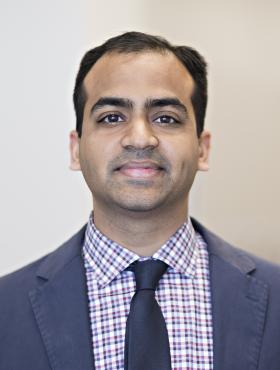
“If we can implant children young enough, they can develop speech normally and thrive alongside their peers in mainstream settings,” says Sri Chennupati, MD, Chief, Division of Pediatric Surgical Specialties, Section of Pediatric Otolaryngology, Lehigh Valley Institute for Surgical Excellence.
Ryan Dehmer, age 20, is the third child in the family to receive an implant. He had one side done when he was 2 years old and could hear well enough to put off getting the second cochlear implant – until he reached young adulthood. An avid computer gamer, Ryan just couldn’t hear well anymore. Alison contacted LVHN’s specialists since both her daughters had good experiences with the otolaryngology team.
“Ryan tried hearing aids but at a certain level of loss, they don’t work. They amplify everything including background noise,” Dr. Chennupati says. “If a patient isn’t benefiting from hearing aids, they may be a candidate for a cochlear implant.”
Candidates for cochlear implants are thoroughly evaluated, including being seen by a surgeon. If everything checks out, they can receive the two-part implant in a procedure that takes two to three hours and go home the same day.
“The implant itself gets surgically inserted behind the ear, and the speech processor is attached outside by a magnet,” Dr. Chennupati says. “The implant jump-starts the cochlea, the organ of hearing, while the processor picks up the sound and codes it. The two devices work together to tell what electrical signals to send to the brain.”
Several weeks after the surgery, the patient meets with an audiologist to have the implant activated.
“We check on the surgical site and assess the fit,” says Barry Veet, AUD, with LVPG Pediatric Ear, Nose and Throat, who worked with all three of the family’s children. “We turn on the implant and adjust the volume to make sure there is sound awareness – you don’t get speech clarity right away.”

He explains there are several in-person follow-ups, focusing on speech clarity and understanding, to help achieve long-term success. There is the option of remote care as well.
“If you’re having an issue with the implant, you can log on to your phone or computer through an app, and we can make adjustments,” Veet says. “We can also do a video visit to make sure everything is working as it should. It’s an easy way to ensure a good connection and no breakdowns.”
Alison and her kids are currently undergoing genetic testing to try to solve the mystery of hearing loss in her family. Possibilities might be Waardenburg syndrome, a group of genetic conditions that can cause hearing loss and changes in coloring of the hair, skin and eyes, and Ehlers-Danlos syndrome (EDS), another rare, genetically based disorder. While Alison waits for the results, she is grateful to LVHN for giving her family a new perspective.
“There’s a huge difference between living in a deaf world versus living in a hearing world,” she says. “The implants were the right choice. They open my children’s opportunity for a hearing life versus a non-hearing life.”