Image



A multidisciplinary, highly trained care team at LVH–Pocono makes all the difference
Sometimes people are confused about where to go if they need surgery. Do you choose a general surgeon who treats everything from bodily injuries to disorders of various organs? Or do you consult a specialist specifically knowledgeable about a certain part of the body? For patients who have been diagnosed with cancer, the odds strongly favor a specialist.
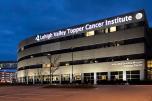
When dealing with cancer, there are reasons to choose a clinician who is experienced – especially with the type of cancer you have – and who is aligned with the resources of Lehigh Valley Topper Cancer Institute, part of Jefferson Health. At Lehigh Valley Hospital (LVH)–Pocono, three surgical oncologists offer highly sophisticated care close to home and give patients an extraordinary level of expertise.

The surgeons based at LVH Surgical Oncology–Pocono are Krista Bott, MD, who specializes in breast cancer surgery and benign breast disorders, and Jacqueline Oxenberg, DO, who specializes in surgery for gastrointestinal, melanoma, pancreatic and endocrine cancers.
Luke Rodriguez, MD, with LVPG Surgical Oncology–Carbon, specializes in breast cancer tumor removal combined with plastic surgery. The combination of breast cancer surgery and plastic surgery reconstruction is offered at most LVH hospitals.
To provide extra-conscientious diagnosis and treatment, surgical oncologists tailor their care by:
Surgery is used to treat many types of cancer. But surgery is often combined with other treatments, such as radiation and chemotherapy. Surgical oncologists work closely with medical oncologists and radiation oncologists to determine the best approach and make sure everything works together. This is part of the multidisciplinary approach to cancer care that has been successful for so many patients at the Cancer Institute.
A surgical oncologist is the best choice when:
One example involves a patient who had a case of metastatic cancer of the appendix that spread to the membrane lining the abdominal cavity. Dr. Oxenberg is one of the few clinicians in the region trained to treat this rare cancer.
The patient received chemotherapy to decrease the amount of cancer that had spread. Then, she underwent surgery to remove the abdominal lining and tumors inside the abdomen as well as the uterus and a portion of the colon. She was also given novel hyperthermic intraperitoneal chemotherapy (HIPEC). This delivers high doses of heated chemotherapy directly into the abdominal cavity during surgery, treating any remaining tumor cells that can’t be seen after surgical removal on contact.
“The heat amplifies the effects of the chemotherapy and kills more cancer cells,” Dr. Oxenberg says. Colleagues agree that HIPEC prolonged the patient’s survival.
Another reason to choose surgical specialists for cancer surgery is the fact they are trained and skilled in the latest technology, which ultimately helps the patient. One example is LVH–Pocono has the region’s only positron emission tomography (PET) scanner for detecting cancer.
Availability of robotic-assisted surgery is also exceptionally important. We conduct surgery robotically for colorectal cancer, gynecological cancer, lung cancer, prostate cancer and fertility-sparing procedures. Dr. Oxenberg conducts many robotic surgeries for pancreas, gastric and adrenal cancers and others.
Along this line, at LVH–Pocono, you’ll find the only interventional pulmonologist performing robotic biopsies, which detect cancer earlier with more accuracy; the only robotically trained urologist; and the only robotically trained colorectal surgeon in the region.
To make sure patients reap all the benefits, our surgical robots, across all campuses, are the latest generation of this remarkable technology. Robotic-assisted surgery offers patients smaller incisions, less pain, fewer complications and a faster return home and to normal activities.
The minimally invasive aspect is another advantage that many surgical oncologists can provide, which is powerful treatment combined with their exceptional knowledge of, and experience with, a particular type of cancer.