Image



Summer is prime festival, fair and carnival season, and for the most part they go off without a hitch.
But ask yourself this question: If there were a medical emergency in a crowd, would you know what to do to help? If you can’t provide direct aid, would you know how to otherwise help or whom to call?
At Lehigh Valley Health Network (LVHN), we’re always prepared for the unexpected. If you are too, then the odds of helping someone – even saving a life – are greater.
Heart attack symptoms vary from person to person, and women can experience different symptoms than men. The bottom line, however, is that if you or others suspect a heart attack, call 911 immediately and get emergency help on the way. Stay on the line with the 911 dispatcher and provide as much information as possible on your location and the condition of the person in need.
The American Red Cross advises:
Cardiac arrest is not the same as a heart attack, though a heart attack can sometimes progress to cardiac arrest.
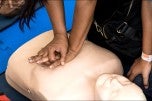
Cardiac arrest is when someone’s heart stops beating. In that case, CPR or AED use is needed. You don’t have to know full CPR – hands-only CPR is good too. Check our blog on CPR that includes a hands-only CPR video.
As with a suspected heart attack, call 911 immediately and check for the availability of an AED.
Not every seizure is connected to epilepsy, however. Some seizures can be triggered by other causes such as high fevers, head injuries or other factors.
Most seizures end very quickly – within seconds – but some can last minutes. Seizures can take a number of forms, from subtle behavior only a trained eye would notice to those that affect movement and produce twitching or muscle rigidity, among other symptoms.
How do you help someone having a seizure? The Epilepsy Foundation’s seizure first-aid instructions come down to three S’s – Stay, Safe and Side. The foundation advises:
Stay: Stay with the person having the seizure until that person is awake and alert. Remain calm and remember to time the length of the seizure because that will be important information for a doctor. Stay calm and check for any medical identification.
Safe: Keep the person safe and guide them away from any harm in the immediate area. Keep people away. Don’t attempt to restrain a person experiencing a seizure and don’t put anything in their mouth. A person can’t swallow their tongue, so don’t worry about that.
Side: If the person is not awake and aware, turn them onto their side with their mouth pointing at the ground and keep their airway clear. This allows for easier breathing and keeps saliva from blocking their airway. Loosen any tight clothing around their neck and if possible, place something small and soft under their head.
The Epilepsy Foundation says you should call 911 for a seizure patient IF:
As the person who had the seizure wakes or returns to their prior state, reassure them they’re safe and let them know what happened. Offer to stay with them or call someone who can.
Someone can bleed to death quickly, especially if their injuries involve an artery. To care for a person who is bleeding, use your ABC’s:
Knowing what to do can save a life. Lehigh Valley Hospitals Trauma Programs offer a Stop the Bleed® course. Contact your local Lehigh Valley Hospital trauma center for details or by phone at 484-884-3575.