Image





When William McColm collapsed in his doorway on a freezing winter morning, quick thinking at home and synchronized care across local emergency responders and hospital specialists turned a life-threatening medical emergency into a dramatic recovery.
Just the day before his emergency, William had been cutting down a fallen tree in his yard. The following morning, he was following his normal routine — getting ready to head to the local YMCA to exercise — when everything changed in an instant. He collapsed in his doorway with sudden left-sided weakness and a severe inability to speak.
Recognizing that something was terribly wrong, his wife jumped into action immediately and dialed 911. Her rapid decision initiated a fast-acting chain of medical care.
“I took care of Mr. McColm from the time of his initial presentation with stroke symptoms,” says neurologist Kathryn Cheponis, MD, with Lehigh Valley Fleming Neuroscience Institute. “His story is a great example of the importance of quick action when a stroke occurs.”
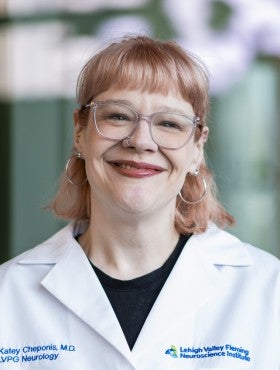
Nurse practitioner Ken Reichenbach, CRNP, with LVPG Neurology, agrees that early recognition was pivotal. “The key star in the story is Mr. McColm’s wife. One of the biggest reasons why some people who suffer strokes, especially ischemic strokes, have poor outcomes is because they don’t recognize they’re having a stroke or they wait too long.”
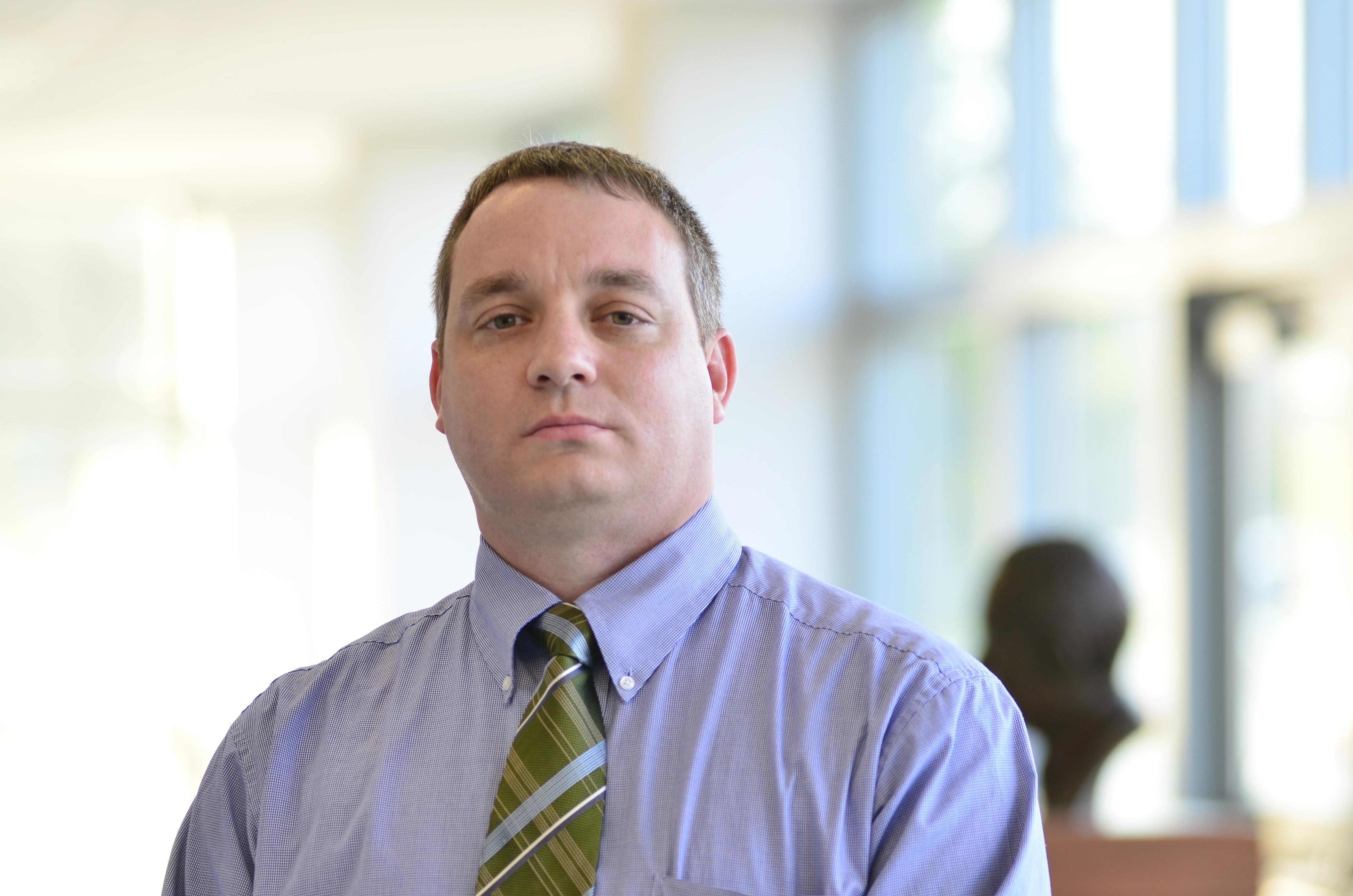
The emergency call was dispatched to Emmaus Emergency Services. The responding crew — emergency medical technician Cheryl Smith, paramedic Laurie Barry, and April Schiel, PHRN — arrived quickly alongside local fire department personnel, who provided lift assistance.
Upon evaluating William, the emergency medical services (EMS) team noted slurred speech, bilateral weakness, aphasia, and a positive Cincinnati Prehospital Stroke Scale for facial palsy and arm/leg weakness. Recognizing the severe warning signs, they initiated a prehospital stroke alert and transported him to Lehigh Valley Hospital (LVH)–Cedar Crest.
“The LVHN [Lehigh Valley Health Network] community came together,” Ken says. “Emmaus is a small town with a great community feeling, and the teams pulled together to give Mr. McColm the best care possible.”
Upon arrival at the ER, William was assessed using the National Institutes of Health Stroke Scale, which scored him at a 9 because he displayed lethargy, severe slurring, and left-sided weakness. The emergency team acted without delay.
“Because Mrs. McColm and the EMS crews acted so quickly, we were able to treat Mr. McColm with clot-busting medication [tenecteplase, also called TNK] less than 30 minutes after symptoms started,” explains Dr. Cheponis. “We also found that there was a blocked artery leading to the back of the brain, a critical artery called the basilar artery. Strokes due to basilar artery blockage are some of the most devastating and can produce paralysis of both arms and legs, inability to speak, inability to swallow, and even coma and death.”
Time remained critical. Dr. Cheponis immediately contacted neurointerventionalist Darryn Shaff, MD, to activate the specialty team for a mechanical thrombectomy, a minimally invasive procedure designed to physically navigate the vascular system and retrieve the clot.

William was taken to the neurointerventional suite, where Dr. Shaff successfully removed the blockage and restored full blood flow through the basilar artery.
The results of the combined treatments were immediate and profound. A post-procedure MRI showed only a small stroke footprint, and William showed remarkable functional recovery.
“Almost immediately after the procedure, we were able to observe really dramatic recovery,” says Dr. Cheponis. “Mr. McColm had a mild facial droop, but no speech problems or weakness in the arms or legs after the procedure and was feeling almost back to normal by the time he was discharged.”
After undergoing physical and occupational therapy evaluations, William was discharged home just two days after his life-threatening emergency. At his four-week clinic follow-up with Dr. Cheponis, he had made a full recovery and was cleared to return to his exercise routine.
“He’s doing incredibly well,” Ken shared. “He walked out of the hospital a day or two after his stroke, returned back to his normal activities — and hired someone to cut the rest of the tree down!”
Fast action made a significant difference in William’s remarkable recovery. The swift timeline from his first symptom to getting into treatment made a life-saving difference.
On May 15, 2026, during the annual stroke symposium at LVH–Cedar Crest, the medical team gathered to celebrate William’s save.
Emmaus Emergency Services and the care team that responded that day (Cheryl Smith, Laurie Barry, and April Schiel), were honored with the Golden Brain Award for their rapid prehospital assessment, field coordination, and swift transport.
“Thrombectomy has only been a widely available treatment for about 10 years, and before that Mr. McColm would have likely suffered a severely disabling stroke,” reflects Dr. Cheponis. “Every member of the team was critical here, including Mrs. McColm, our prehospital EMS partners, the Emergency Department team, as well as the neurology and neuro-IR [neuro-interventional radiology] teams. It’s such a privilege to be able to care for patients who are dealing with a sudden and often terrifying medical event, and it’s even better when all the factors align for a patient to make such a good recovery.”
William’s outcome highlights how vital every link in the healthcare chain truly is.
Stroke is a medical emergency, and it’s also critical to know the warning signs. If you or someone around you experiences sudden weakness or numbness (especially on one side), facial drooping, trouble speaking, vision changes, or loss of balance, call 911 immediately. After all, when it comes to stroke, time saved is brain saved.