Image



Dawson’s Creek late star, James Van Der Beek, became a vocal advocate of screening after his diagnosis of colon cancer at age 46
You may know him as the teen heartthrob from “Dawson’s Creek,” a TV show that aired from 1998 to 2003. However, James Van Der Beek grew up and became a husband and a father of six children. He also became one of the latest casualties of early-onset colon cancer. Although he had no family history of the disease, followed a good diet and was a proponent of exercise, Van Der Beek died in early 2026 at age 48.
The incidence of colorectal cancer is rising – especially among adults under age 50, according to Matthew Bond, DO, general surgeon with LVPG General Surgery–Tunnel Road, in Pottsville. “We’re seeing it younger and younger, and that’s the most concerning thing right now," he says.

According to new research, colorectal cancer has surpassed other cancer types to become the leading cause of cancer deaths among people under 50 in the United States. That’s why guidelines today call for screening colonoscopies starting at age 45 for most people. If you have a family history of colorectal cancer, screening should begin earlier – typically 10 years before the age at which your relative was diagnosed.
Colonoscopies remain the gold standard for catching colorectal cancer early, says Ryan Hawley, DO, general surgeon with LVPG General Surgery–Carbon, in Lehighton. Screening tests such as stool DNA tests, which many people use, are not substitutes but may be considered a first step for average-risk people.
“If this ‘prescreening test’ comes back positive, then you can have a conversation with your clinician about why a colonoscopy will be beneficial,” Dr. Hawley says. And if you’re anxious about a colonoscopy? The experience is much less dramatic than the hype.
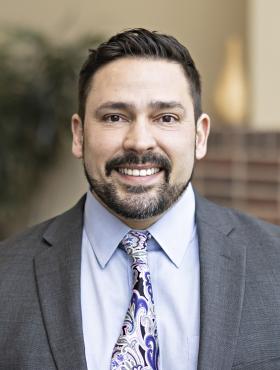
“I tell people the worst part of the colonoscopy is the day before, and even that is much easier than it used to be,” Dr. Bond says. He points to newer options for bowel prep, including smaller-volume and two-part prep solutions.
He also explains that having absolutely nothing to eat the day before the screening is a myth. You can have clear liquids such as water, black coffee or tea, clear broth and gelatin – just not in orange, red or purple flavors. These colors can interfere with colonoscopy results.
Both doctors emphasize the importance of diet in cancer prevention. “I can’t stress it enough: nutrition, nutrition, nutrition – that’s the ultimate prevention,” Dr. Hawley says. He adds that a growing body of evidence links colorectal cancer to obesity and diets high in ultra-processed foods.
In addition to diet, stress and sleep can affect cancer risk: He recommends connecting with your primary care clinician. “It’s helpful to build rapport with your care team,” Dr. Hawley says, “so you can move into conversations that may be more sensitive.”
Both doctors emphasize that people should always be on the lookout for symptoms, regardless of their age. They say, concerning signs such as blood in your stool or a change in bowel habits should never be dismissed. In addition, it’s important to look beyond your colon and take a broad view of your overall health.
Before he died, James Van Der Beek said in an interview that cancer caused him to slow down, appreciate the good things in his life and become resolute about every food he put in his body. He also voiced the importance of being screened for colon cancer. He said in the interview that he doesn’t like to dwell on “what ifs,” but wonders what would have happened if his cancer had been caught earlier.