Image



A healthy diet and regular screenings are your best defense
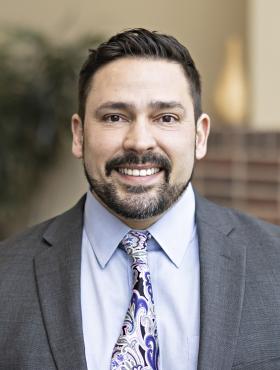
The incidence of colorectal cancer is rising – especially among adults under age 50, says Matthew Bond, DO, general surgeon in Pottsville. “That's the most concerning thing I'm seeing right now," he says. “We’re seeing it younger and younger.”
If you’ve experienced blood in your stool or a change in bowel habits, these concerning symptoms should never be dismissed regardless of your age, Dr. Bond says.

The guidelines today call for screening colonoscopies starting at age 45 for people at average risk. If you have a family history of colorectal cancer, screening should begin even earlier – typically 10 years before the age at which a close relative was diagnosed.
Colonoscopies remain the gold standard for catching colorectal cancer early, says Ryan Hawley, DO, general surgeon. However, new screening tests, including stool DNA tests, are more accurate and sensitive than ever before. While not a substitute, these options may be considered as a first step for average-risk people who are reluctant to undergo a colonoscopy.
“It’s almost like pre-screening,” Dr. Hawley says. “If it comes back positive, then you can have a real conversation about why a colonoscopy will be beneficial.”
If you’re anxious about undergoing a colonoscopy, rest-assured the procedure is safe, and not as difficult or uncomfortable as you might think.
“I tell people the worst part of the colonoscopy is the day before, and even that is much easier than it used to be,” Dr. Bond says, noting that there are now more and easier options for bowel prep, including smaller-volume prep solutions.
Both doctors emphasize the importance of diet in cancer prevention. Dr. Hawley notes that a growing body of evidence links colorectal cancer to obesity and diets high in ultra-processed foods. Your primary care clinician can help educate you and will often encourage a whole foods diet.
“I can’t stress it enough: nutrition, nutrition, nutrition – that’s the ultimate prevention,” Dr. Hawley says.
In addition to diet, stress and sleep can affect cancer risk, he notes, adding that it’s important to take a broad view of your health and connect with your primary care clinician about the big picture.
“It’s helpful to build rapport with your care team,” Dr. Hawley says, “so you can move into conversations that may be more sensitive.”