Image



She couldn’t eat or drink for three months during treatment for esophageal cancer


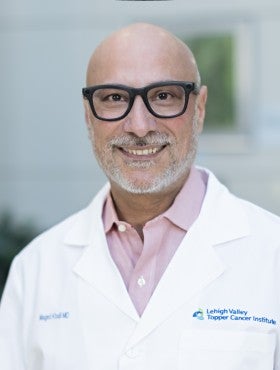
Malnutrition is a common complication in patients with cancer and can influence treatment – and even survival. Easton resident Lori Naydock, 59, knows. After having difficulty swallowing, she saw gastroenterologist Hiral Shah, MD, with LVH–Gastroenterology. She was then referred to Maged Khalil, MD, and his hematology oncology team at Lehigh Valley Topper Cancer Institute and was diagnosed with esophageal cancer in September 2024.
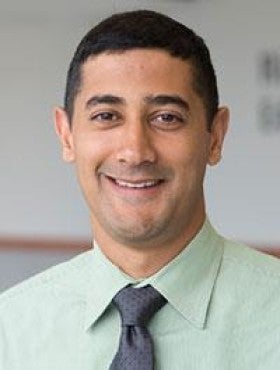
Naydock met with all the clinicians and started chemotherapy and radiation treatment but had difficulty getting the nutrition she needed. This is when Naydock began receiving visits from registered dietitian Deanna Yerg, who, along with registered dietitian Ashley Pagano, works with patients at the Cancer Institute who are at risk for malnutrition.
“Once a patient is admitted, we see them within 24 hours,” Pagano says. “We assess them for malnutrition, decreased appetite, weight loss, muscle wasting and handgrip strength. We also discuss what to expect after their treatment, covering healthy eating and food safety.”
Nutrition for patients with cancer is high in protein to maintain muscle mass, especially if the patient has lost muscle. For patients having stem cell therapy, Yerg and Pagano caution about cleaning fruits and vegetables due to patients’ immune system. “It’s tricky because cleaning a strawberry is next to impossible,” Pagano says.
When patients just don’t have an appetite, the two give them ideas and menu options. “We consult with the physicians and physician assistants for any medications we can add to stimulate the appetite, and sometimes the family brings in their favorite foods, making sure they aware of food safety precautions,” Yerg says. “If options like these don’t help, we may resort to other nutrition support such as intravenous delivery of a nutritional supplement.”
This was the best option for Naydock, who after returning home, began receiving 1,500 calories of nutrition in liquid form for 12 hours each day, from 6 a.m. to 6 p.m. “It was one of the toughest times because I couldn’t eat or drink for three months,” Naydock says. “They put me on a feeding tube and that was my saving grace.”
Yerg visited Naydock at her house and showed her how to use the feeding tube. She helped her find supplements and medications she could tolerate as well as how to get the “flow” right, since too much supplement at once would make Naydock sick. “Deanna would come and sit with me and say, ‘Let’s try this,’” Naydock says. “I felt heard, like she was really trying. She was kind, and that’s so important. It made a big difference.”
In the next step, surgical oncologist Jeffrey Brodsky, MD, with the Cancer Institute, removed about two-thirds of Naydock’s esophagus and expertly shaved off the tumor where it had attached itself to her aorta. Naydock says both Drs. Shah and Brodsky are lifesavers because they sensed something on her PET scan that couldn’t be seen and used a small, neonatal scope to find it. “Any other surgeon would have just sewn me back up,” she says.
Naydock was relieved she could eat normally after surgery, sticking to smaller meals more often. She has returned to doing “all the enjoyable things people do.” She is working full time, walking, planning a trip and preparing for her daughter’s birthday. “I’m grateful to be here to see my daughter turn 30,” Naydock says, “and for LVHN’s clinicians and dietitians.”
Yerg and Pagano share the sentiment. “We do this, not because we have to, but because we want to,” Yerg says, emphasizing the importance of communicating with each other and the whole team to make sure patients come first. “It’s great to have time to talk with patients and build a relationship. You feel like you’re part of the family.”