Image



Pancreatic cancer vaccine clinical trial is part of Carol Harvey's comprehensive treatment


Carol Harvey, who lived just across the river from Manhattan in 2001, decided to help when tragedy struck on Sept. 11 that year. She got to the Jersey City pier across from the World Trade Center just before midnight. She worked there for five days, organizing volunteers and loading boats with shoes, flashlights, diapers, and other necessities. She was providing food and assistance to the first responders, often cutting off boots that had melted onto their feet.
After that, Carol’s work continued caring for the men working in the PATH tunnel between New Jersey and New York, from Sept. 16 to Oct. 28. She purchased groceries and prepared breakfast and dinner at home for them and served it twice a day for 42 days at the Exchange Place PATH station – as a hero would.
Twenty-three years after Carol’s selfless work for 9/11 – and after surviving uterine cancer in 2016 – she found herself needing, yet again, her own hero after being diagnosed with pancreatic cancer in 2023.
In May 2023, when Carol and her husband, Andy, returned home from a trip to England, Carol felt something wasn’t right. Computed tomography and magnetic resonance imaging at Lehigh Valley Hospital–Carbon, showed a golf-ball-size mass in her pancreas. A biopsy confirmed the most encountered, aggressive type of pancreatic cancer.
Her cancer team, which included hematologist oncologist Roberto Fratamico, MD, with LVPG Hematology Oncology–Carbon determined Carol’s stage 1 pancreatic cancer was on the borderline as far as being able to be removed surgically, and there was involvement of the portal vein. “We started her on chemotherapy to make the tumor more amenable to removal, as we often do,” Dr. Fratamico says. “Her response to the chemotherapy was very good – her tumor markers dropped.”
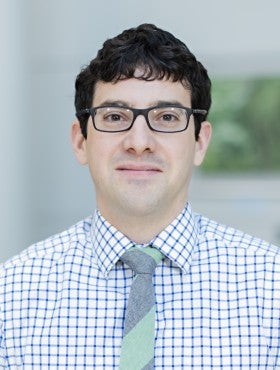
As she received this information from her doctors, Carol recalls laying out her expectations: “My great-grandmother lived to 103, and my great-grandfather lived to 98. I’m planning on somewhere between the two of them, so you need to get your act together,” she says. This elicited smiles from her clinicians, with whom she “developed great relationships.”
“Carol’s chemotherapy was followed by a Whipple procedure, where the head of her pancreas and duodenum (the first part of the small intestine) were removed,” says Aaron Blackham, MD, with LVH Surgical Oncology–1240 Cedar Crest, who performed the surgery. “Because the tumor involved the portal vein, the vein was removed with the tumor and then reconstructed by a vascular surgeon.”
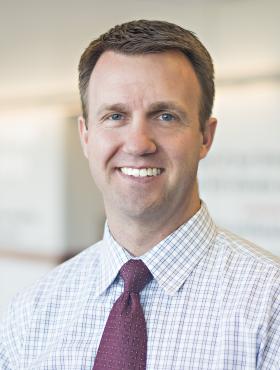
Even though Carol’s surgery showed “no residual cancer left behind,” Carol was given postsurgical chemotherapy because of the aggressiveness of the disease. Experiencing taxing side effects, she was only able to tolerate four additional cycles of this chemotherapy. That was when Dr. Fratamico let her know about the ELI-002 pancreatic cancer vaccine clinical trial.
The Cancer Institute is known for its intensive research and innovative treatments. This work is championed by expert clinicians, who create personalized treatment plans to address a patient’s individual disease state. The Cancer Institute is also home to the Peter and Odete Kelly Center for Personalized Cancer Immunotherapy, which enables access to higher-profile clinical trials.
“I recommended the trial for Carol because she is a very motivated patient,” Dr. Fratamico says. “The purpose of the vaccine is to increase the probability of cure as much as possible and engage the immune system to eliminate any disease that may not be evident on conventional imaging and prior to causing symptoms or abnormalities otherwise.”
Carol was excited that Lehigh Valley Topper Cancer Institute, part of Jefferson Health, was participating in a clinical trial evaluating an immunotherapeutic pancreatic cancer vaccine. She researched and studied the trial.
“Average life expectancy is three years if I do nothing, so, why wouldn’t I try it,” Carols says. “I decided I wanted to do this in the hopes that (even if it didn’t work for me,) it would provide desperately needed research in advancement of pancreatic cancer care and I would help make that possible for future generations.” Carol put her hopes into the Cancer Institute and its expert team of clinicians.
In October 2024, Carol underwent a research procedure to collect T cells for the study and then received a total of 10 doses of study treatment (40 vaccines). The last dose was given in March 2025, and she has been closely followed with serial labs and imaging, with no evidence of disease to date.
“Carol is doing wonderfully,” Dr. Fratamico says. “Along with others in the ELI-002 investigational trial, she exemplifies the likely benefits derived from the therapy and what may be possible for similar patients in the future.”
October 2026 marks two years since Carol began the ELI-002 clinical trial, and 25 years since the tragedies of 9/11 and the contributions she made. While she was in treatment, she repeated her desire to provide comfort food for her own “rescue workers” – the entire Cancer Institute team that led her through her illness and recovery.
“I delivered more than 100 homemade meals for the nurses, the infusion girls, folks in rehab, and of course the doctors,” Carol says. “Everything from roast pork to zucchini bread and carrot cake. I couldn’t be more grateful to them and the entire team. They are wonderful, caring, compassionate, dedicated human beings, and they will be carried in my heart forever.”
